Adaptive Difficulty Scaling in Digital Slot Libraries and Retention Patterns Among Frequent Players
Jakob Jenkins · Aug 2, 2026
Adaptive Difficulty Scaling in Digital Slot Libraries and Retention Patterns Among Frequent Players
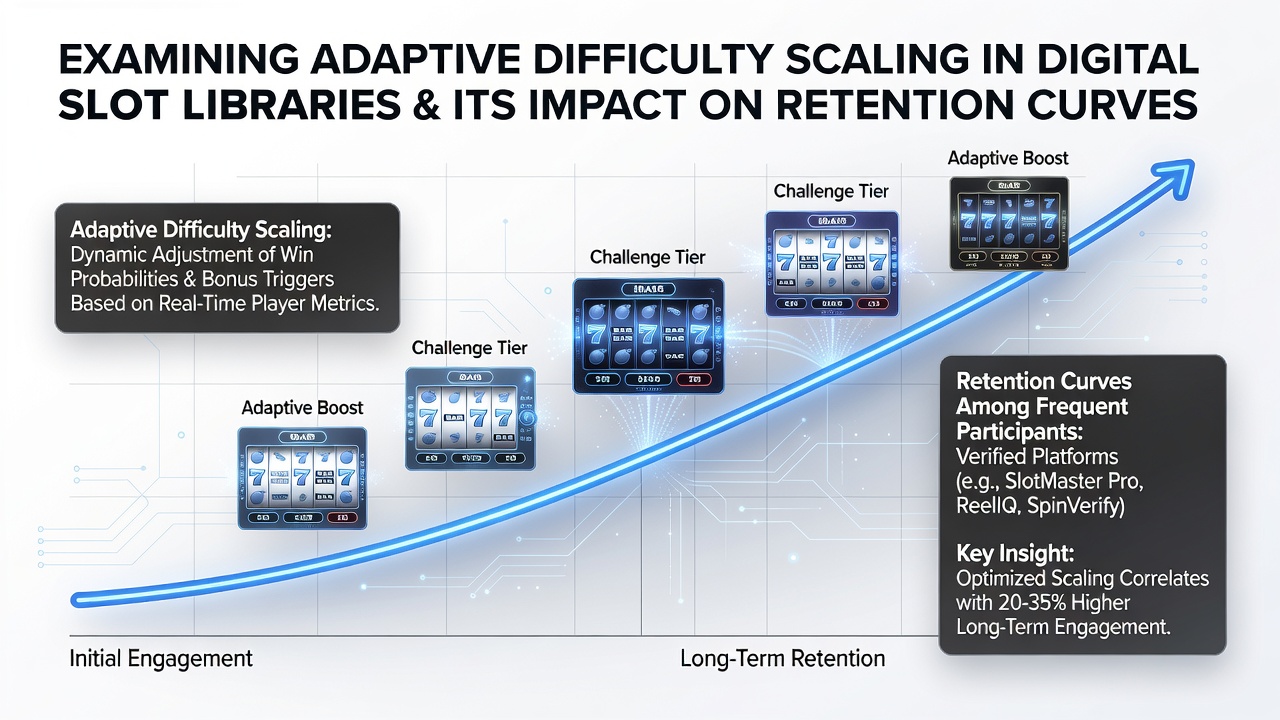
Digital slot libraries on verified platforms have incorporated adaptive difficulty scaling systems that modify game parameters such as reel configurations, bonus trigger rates, and payout distributions based on individual player data, and these adjustments occur in real time across sessions. Operators track metrics including spin frequency, bet sizing, and session length to recalibrate elements without player notification, which creates personalized experiences designed to maintain engagement levels.
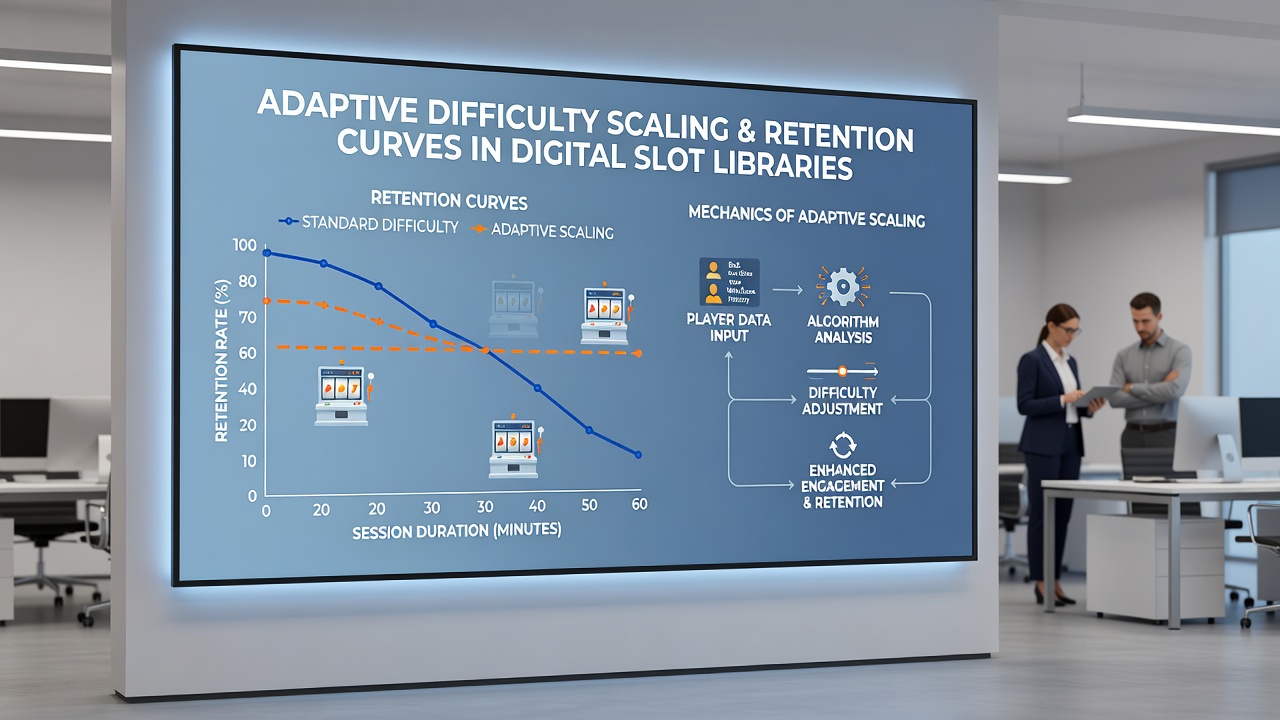
Retention curves measure the percentage of frequent participants who return to specific games over defined intervals, and data from multiple platforms indicate that scaled difficulty can extend the tail end of these curves by several percentage points. In August 2026, reports from verified operators showed that libraries employing such systems recorded average session extensions of 12 to 18 minutes among users classified as frequent participants.
Mechanics of Adaptive Scaling Systems
These systems rely on algorithms that analyze behavioral signals collected during gameplay, then apply changes to teh underlying random number generator outputs or feature activation thresholds. For instance, a player showing declining bet amounts might encounter increased frequency of small wins or teaser animations that encourage continued spins, while high-activity users receive adjustments that introduce longer dry spells followed by larger potential multipliers.
Platforms segment participants into cohorts using historical data, and scaling applies differently across these groups. One study from the Alcohol and Gaming Commission of Ontario highlighted how verified sites in regulated markets implemented tiered adjustments that correlated with a 7 percent lift in seven-day return rates for the top engagement quartile.
Observed Effects on Retention Curves
Retention curves typically follow a decay pattern where initial drop-off occurs within the first 24 hours after a session, yet adaptive scaling appears to flatten this decline in later stages. Frequent participants on platforms with these features demonstrate steadier participation across weekly intervals, with data indicating reduced churn after teh 30-day mark compared to static difficulty setups.
Researchers at the University of Nevada, Las Vegas have documented cases where slot libraries adjusted volatility mid-session, resulting in prolonged engagement periods that shifted the curve upward by measurable margins. The adjustments often target specific pain points such as extended loss streaks, replacing them with calibrated recovery sequences that keep users within the game environment longer.
Platform Variations Across Verified Markets
Verified platforms in different jurisdictions apply scaling with varying degrees of transparency and regulatory oversight. Sites operating under frameworks like those in New Jersey or Pennsylvania integrate these tools within compliance boundaries that require audit trails for all parameter changes. In contrast, some international operators deploy more aggressive scaling that responds to micro-behaviors such as cursor movement or pause duration.
Comparative figures reveal that retention among frequent participants improves when scaling incorporates feedback loops tied to reward structures, while overly aggressive adjustments sometimes accelerate exits once players detect patterns. Platforms that balance these elements report more stable curves across monthly reporting periods.
Data Patterns and Cohort Analysis
Analysis of cohort data shows that players aged 25 to 40 exhibit stronger responses to adaptive features than older groups, with return rates climbing after the introduction of personalized difficulty tweaks. These patterns emerge consistently across verified libraries that maintain detailed logs of user interactions.
External reports from bodies such as the Alcohol and Gaming Commission of Ontario note correlations between scaling intensity and session frequency, though the strength of these links varies by game type and market. Frequent participants often migrate between titles within the same library when one game applies scaling that no longer aligns with their preferred pace.
Conclusion
Adaptive difficulty scaling continues to shape retention curves on verified digital slot platforms through targeted adjustments derived from player behavior data. Platforms that refine these systems based on cohort performance achieve measurable differences in return rates among frequent participants, and ongoing monitoring across jurisdictions provides the factual basis for understanding these dynamics as of August 2026.