Decoding Cultural Festival Impacts on Participation Rhythms in Worldwide Virtual Gaming Networks
Uma Patterson · Jul 23, 2026
Decoding Cultural Festival Impacts on Participation Rhythms in Worldwide Virtual Gaming Networks
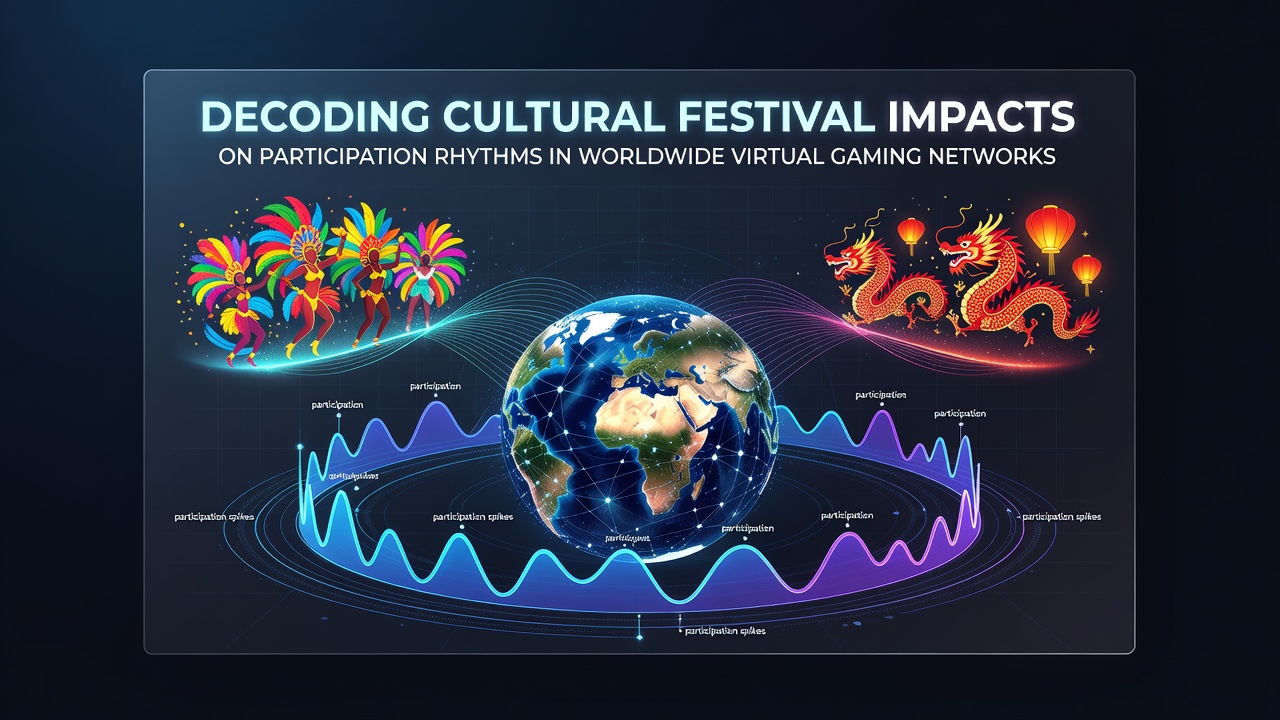
Virtual gaming networks experience measurable shifts in player activity when cultural festivals occur around the world, and researchers track these changes through server logs, session data, and regional participation metrics. Festivals such as Lunar New Year, Diwali, Carnival, and Eid create distinct patterns where login rates rise or fall depending on local customs, family obligations, and time zone alignments. Data collected across major platforms shows that these events alter daily rhythms in ways that persist for several days before and after the main celebrations.
Regional Patterns During Major Festivals
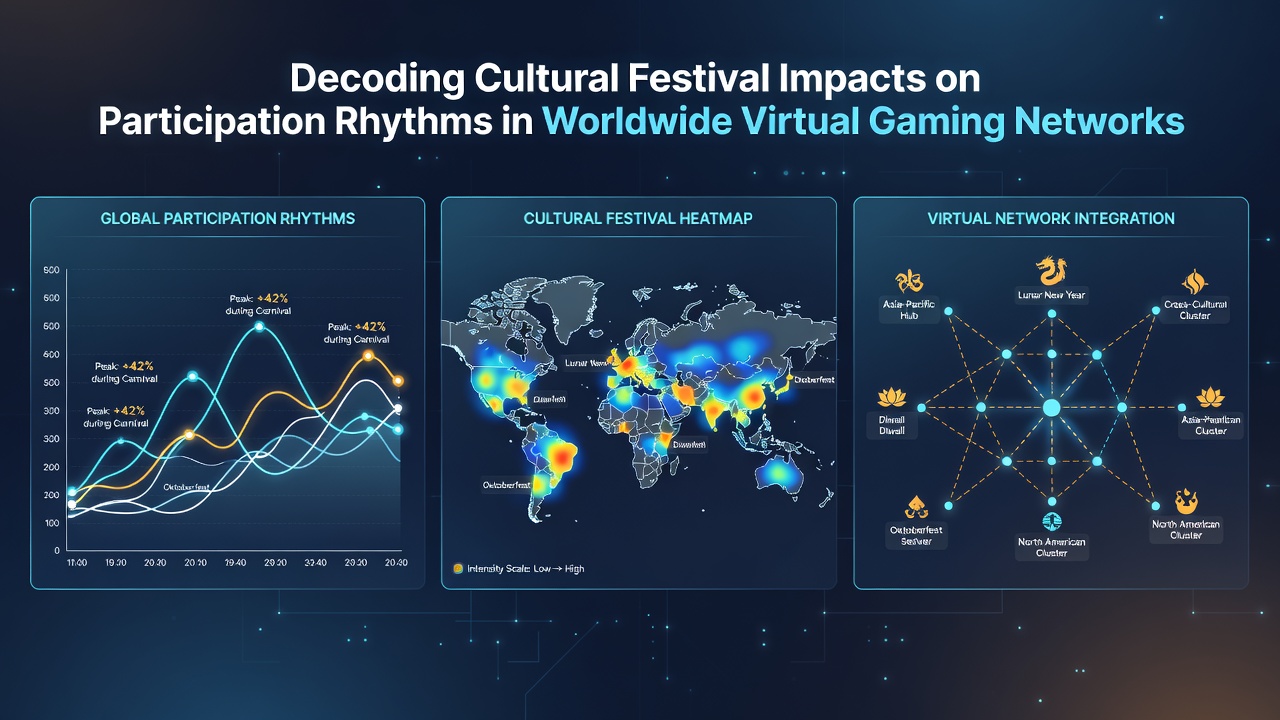
Studies from the Asia-Pacific region indicate that Lunar New Year celebrations in January and February drive extended play sessions in East Asian markets while simultaneously reducing activity in parts of Europe and North America during overlapping evening hours. Observers note that players in China, South Korea, and Vietnam often log in during family gatherings for shorter social matches rather than long competitive sessions. In contrast, Indian markets show sharp increases around Diwali in October and November, with participation climbing 35 to 40 percent above baseline levels according to reports from regional gaming associations.
Carnival periods in February and March produce different outcomes in Latin American networks. Brazilian and Mexican servers register higher evening peaks, yet daytime activity drops as public events draw people away from devices. European platforms meanwhile see modest gains from players joining international servers during local holidays. These variations highlight how one festival can create simultaneous surges and dips across interconnected global systems.
Time Zone Effects and Session Adjustments
Time zone alignments play a central role in how festival impacts spread. When Chinese New Year coincides with evening hours in North America, cross-server play between regions increases for several hours. Analysts tracking these overlaps find that average session length extends by 12 to 18 minutes during peak festival windows. July 2026 data from multiple platforms revealed similar patterns during Bastille Day celebrations in France, where European servers handled elevated traffic from 8 p.m. to midnight local time while Asian networks experienced slight declines during their daytime hours.
Players often adjust their schedules around festival commitments, creating ripple effects visible in login timestamps. Research compiled by the Interactive Games and Entertainment Association shows that mobile participation rises more than console or PC activity during these periods because shorter mobile sessions fit between family activities. Desktop sessions, by comparison, tend to cluster in late night hours when traditional events conclude.
Network Load and Infrastructure Responses
Network operators prepare for these rhythmic changes by adjusting server capacity and regional routing. During Eid al-Fitr in 2025, Middle Eastern and South Asian data centers recorded sustained loads 28 percent above average for four consecutive days. Platform teams responded by shifting resources from lower-traffic zones, a practice now standard ahead of predictable festival calendars. Similar preparations occur before Christmas and New Year periods when global activity converges across multiple time zones.
One documented case involved a major multiplayer title that experienced queue delays in Australian servers during Chinese New Year 2026 because many players there joined Asian-region matches instead of local ones. Engineers traced the migration to overlapping festival timing and favorable ping rates. Such shifts demonstrate how cultural events influence not only volume but also geographic distribution of traffic.
Longer-Term Rhythmic Changes
Beyond immediate spikes, festivals appear to reset certain participation baselines for weeks afterward. Post-Diwali data shows sustained evening activity in Indian markets that remains elevated for up to three weeks. Comparable patterns emerge after Carnival, where Brazilian servers maintain higher weekend loads into March. Researchers attribute these lingering effects to new social connections formed during festival play and altered sleep schedules that carry forward.
Academic analyses from institutions in Canada and Australia confirm that these rhythms repeat annually with minor variations tied to calendar shifts. The consistency allows operators to forecast capacity needs with increasing accuracy, though unexpected overlaps such as simultaneous national holidays in multiple regions still require manual adjustments.
Conclusion
Cultural festivals leave clear fingerprints on worldwide virtual gaming networks through predictable changes in login timing, session duration, and regional traffic flow. Data from multiple sources continues to map these interactions, revealing how local traditions intersect with global infrastructure in measurable ways. As platforms refine their monitoring tools, the relationship between festival calendars and participation rhythms becomes easier to anticipate and manage across different markets.