How Interlinked Loyalty Tiers Across Multi-State Gambling Networks Influence Repeat Session Patterns for Frequent Participants
Uma Patterson · Jun 18, 2026
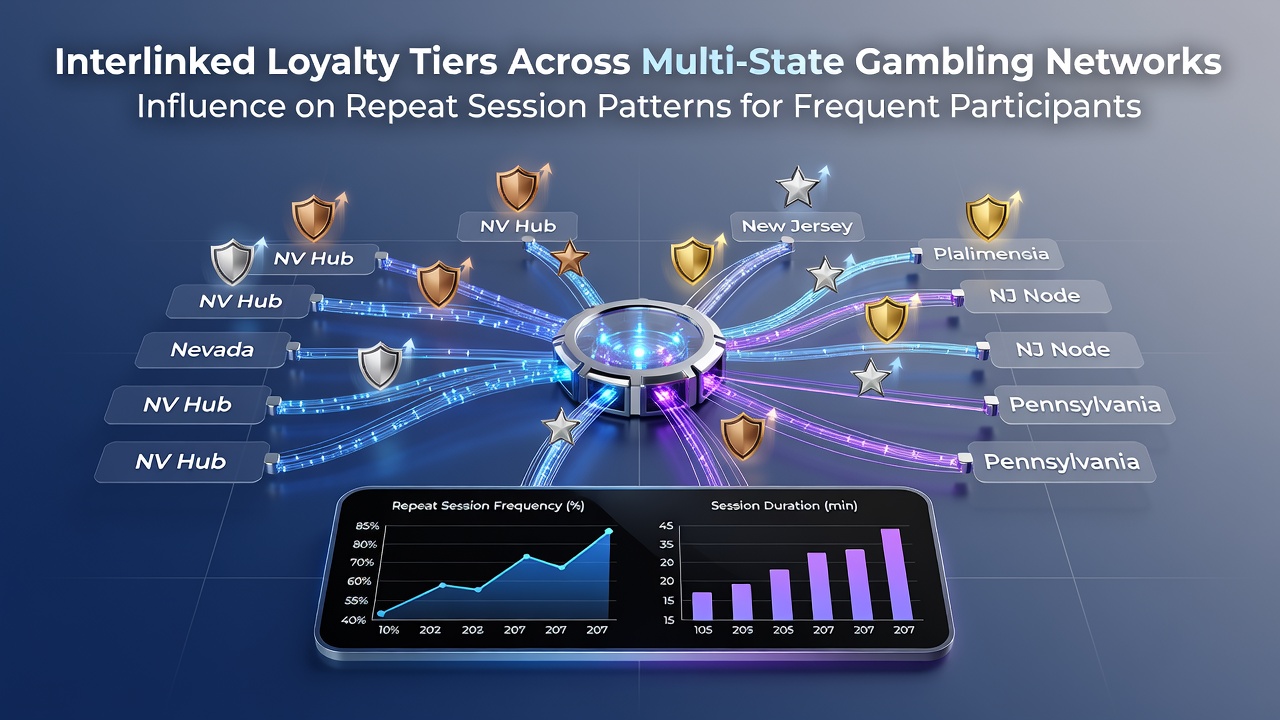
How Interlinked Loyalty Tiers Across Multi-State Gambling Networks Influence Repeat Session Patterns for Frequent Participants
Multi-state gambling networks have expanded their loyalty structures over recent years, linking tier benefits across properties in different jurisdictions so that players accumulate points and status through combined activity rather than isolated visits to single locations. These systems connect data from casinos in states like Nevada, New Jersey, Pennsylvania, and Illinois, allowing frequent participants to maintain progress toward higher reward levels even when they switch venues. Data from regulatory filings shows that integrated platforms record higher session frequency among tiered members compared to non-networked accounts, with repeat visits rising as players chase unified benefits such as complimentary rooms, dining credits, and exclusive event access.
Mechanics of Cross-State Tier Integration
Operators build these networks by syncing player databases through centralized software that tracks wagers, time on device, and spend across affiliated properties, while state regulations require separate licensing yet permit data sharing under controlled agreements. A player who reaches gold tier status in one state can carry equivalent privileges into another because the points pool remains accessible regardless of geographic boundaries. This setup reduces the friction of starting over at each new site, and researchers at institutions tracking gaming trends have documented how such continuity encourages participants to schedule additional trips or log into online portals more often to maintain momentum toward platinum or diamond thresholds.
June 2026 marks a period when several major networks completed software upgrades that further streamlined point transfers between land-based and digital platforms operating under multi-state licenses. Those upgrades coincided with updated reporting from bodies like the Pennsylvania Gaming Control Board, which noted increased average session counts among loyalty members who held status across borders. Observers note that the technical linkage works through encrypted APIs that comply with each state's data privacy rules, preventing unauthorized cross-referencing while still delivering seamless tier recognition.
Observed Effects on Session Frequency and Duration
Patterns emerge when analysts compare session logs before and after network integration. Frequent participants in linked programs tend to extend individual sessions by 15 to 25 percent on average once they near the next tier threshold, according to aggregated figures released by industry research groups. The incentive stems from visible progress bars that update in real time across apps and kiosks, prompting players to continue play rather than end a visit once initial goals are met. This behavior repeats across subsequent outings because status carries forward, turning isolated trips into part of a longer cycle that spans multiple states.
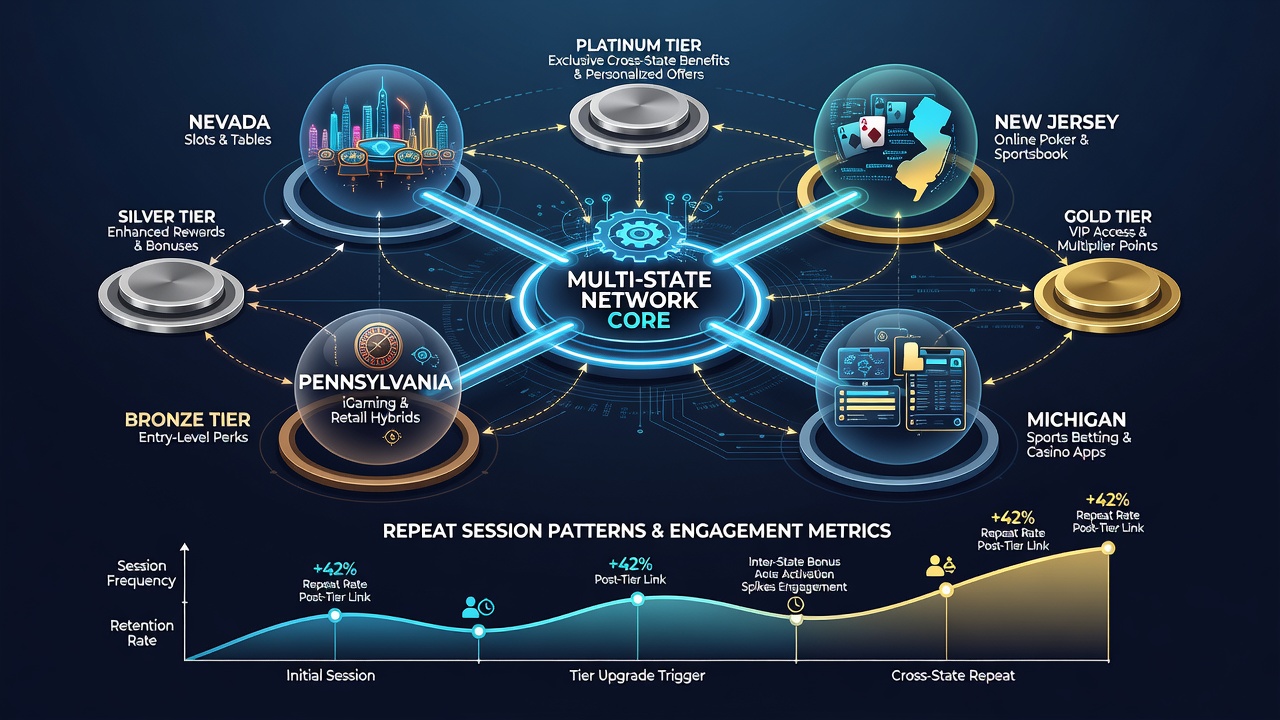
One study conducted by university researchers in collaboration with gaming operators examined accounts active in both Midwest and East Coast properties. Results indicated that players holding mid-to-high tier status scheduled return visits within shorter intervals, often within the same calendar month, when points applied universally. Lower-tier members showed less consistent repeat patterns, highlighting how the interlinked structure amplifies engagement primarily for those already invested in the system. Regulatory summaries from the New Jersey Division of Gaming Enforcement have similarly captured elevated play volumes among cross-state loyalty participants without attributing causation beyond the structural design of the rewards.
Regional Variations and Network Examples
Different operators implement these tiers with varying degrees of cross-state reach. Some focus on regional clusters within the Northeast corridor, while others span from the Southwest to the Mississippi River properties. Australian regulatory frameworks offer a comparative lens, where similar loyalty linkages across states have produced measurable upticks in repeat engagement according to reports from state gaming commissions. In Canada, provincial systems have experimented with limited inter-province recognition, though full national integration remains limited by differing statutes. These international parallels underscore that the core mechanism—unified progress tracking—consistently correlates with steadier participation rhythms among frequent users.
Take one documented case where a major operator expanded its network to include a new Illinois property in early 2026. Existing tier members from Nevada and New Jersey locations began incorporating the Illinois site into their rotation within weeks, as point accumulation applied immediately. Session data collected through the shared platform revealed shorter gaps between visits for those players, while non-tiered accounts maintained steadier but lower-frequency patterns. Such outcomes align with findings from academic papers examining behavioral economics in gaming environments, where visible cumulative rewards reduce the perceived cost of additional participation.
Data Sources and Measurement Approaches
Measurement relies on anonymized transaction records submitted to state regulators and voluntary disclosures from operators. Groups such as the National Council on Problem Gambling and independent analytics firms compile these into broader trend reports that isolate loyalty-tier effects from other variables like promotional events or seasonal tourism. Figures reveal that networks with robust cross-state connectivity post higher retention metrics for active members, though exact percentages vary by operator size and market maturity. External verification comes from sources including the Australian Institute of Criminology studies on gambling behavior and Canadian provincial lottery and gaming corporation annual reviews, each providing geographically distinct perspectives on how integrated rewards shape repeat activity.
Conclusion
Interlinked loyalty tiers across multi-state gambling networks create structural pathways that shape how frequent participants organize their sessions over time. By allowing points and status to travel with the player, these systems sustain engagement across locations and platforms, with observable impacts on both frequency and duration of activity. Regulatory data from multiple jurisdictions continues to track these patterns as networks evolve, offering ongoing insight into the relationship between unified reward structures and player behavior in an expanding multi-state environment.