Patterns in Player Migration Following Large-Scale Progressive Jackpot Distributions
Jakob Jenkins · Jun 2, 2026
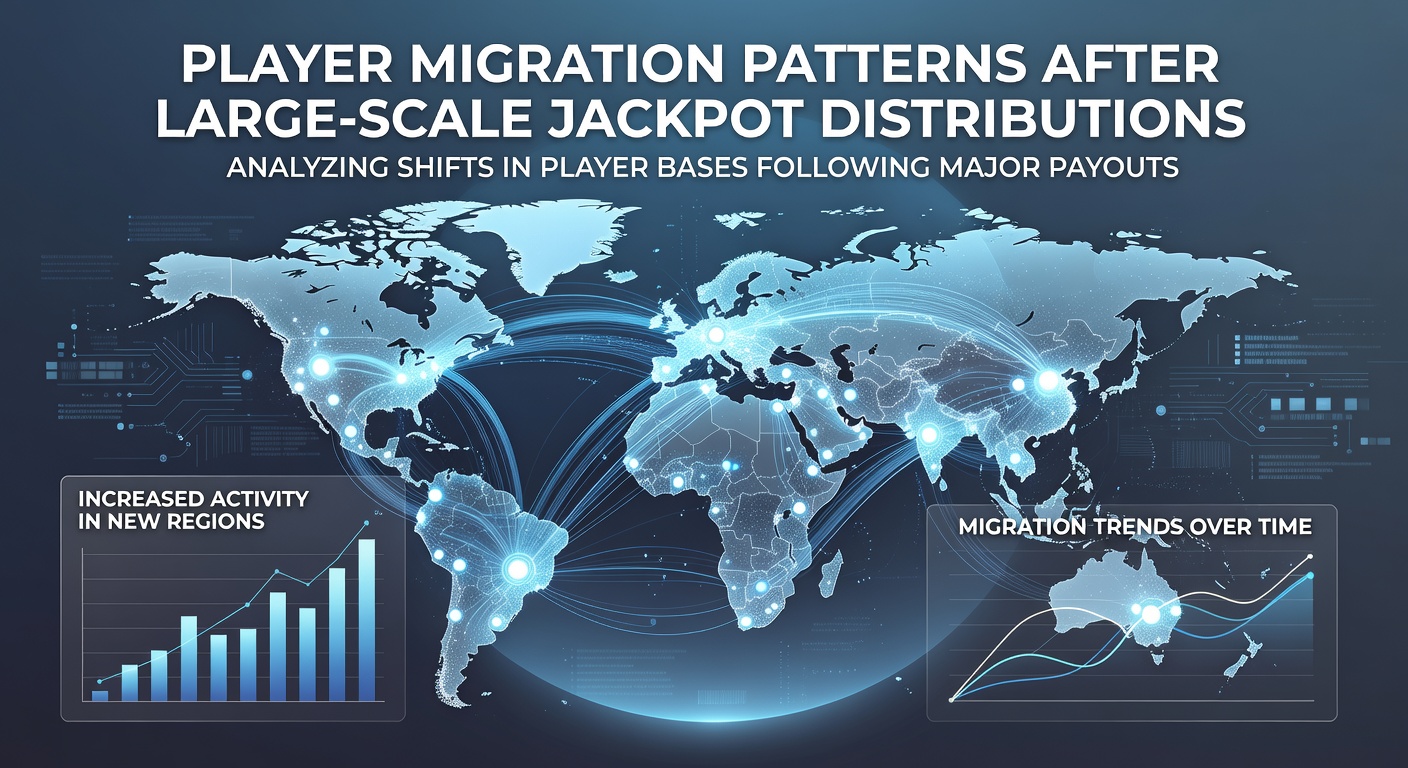
Patterns in Player Migration Following Large-Scale Progressive Jackpot Distributions
Progressive jackpot systems create interconnected prize pools that grow across multiple games and platforms until a qualifying win occurs, and researchers have tracked how these events trigger measurable shifts in player locations and game selections in the weeks that follow. Data collected from major operators shows that large distributions often coincide with temporary increases in traffic to similar jackpot-linked titles at competing venues while activity on the winning machine or network drops sharply in the immediate aftermath.
Analysts at regulatory bodies such as the Nevada Gaming Control Board compile monthly reports that document these movements through aggregated session data and coin-in figures, revealing consistent patterns across both land-based and online environments. When a jackpot exceeds several million dollars, the volume of play on the specific progressive link that paid out can decline by double-digit percentages for up to six weeks, while nearby machines offering comparable reset values see corresponding gains.
Documented Shifts in Venue and Platform Choice
Observers note that players frequently relocate to alternate casinos or digital lobbies that host parallel progressive networks once a headline-grabbing win becomes public knowledge. In land-based settings this migration appears as increased foot traffic on the casino floor near competing banks of machines, whereas online the same behavior manifests through spikes in new account registrations and deposit activity on rival sites. Records from operators in multiple jurisdictions indicate that these transfers are most pronounced among frequent participants who monitor jackpot meters in real time through mobile applications and lobby displays.
Geographic differences emerge clearly when comparing markets. Facilities in the American Midwest have recorded sustained upticks in progressive play after high-profile wins in neighboring states, while European operators report more contained movement within the same licensed network. Australian data collected through state-level reporting systems shows similar intra-state redistribution rather than cross-border travel, largely because of licensing structures that limit jackpot pooling across state lines.
Temporal Patterns and Recovery Cycles
Most redistribution occurs within the first fourteen days after a payout, after which volume gradually returns to pre-win baselines on the original link. Studies of networked systems demonstrate that reset jackpots regain player attention only after they have rebuilt to levels comparable to the previous distribution, typically requiring several weeks of incremental contributions. During this rebuilding phase many participants experiment with alternative games that offer lower reset values but higher hit frequencies, creating temporary diversification in play patterns.
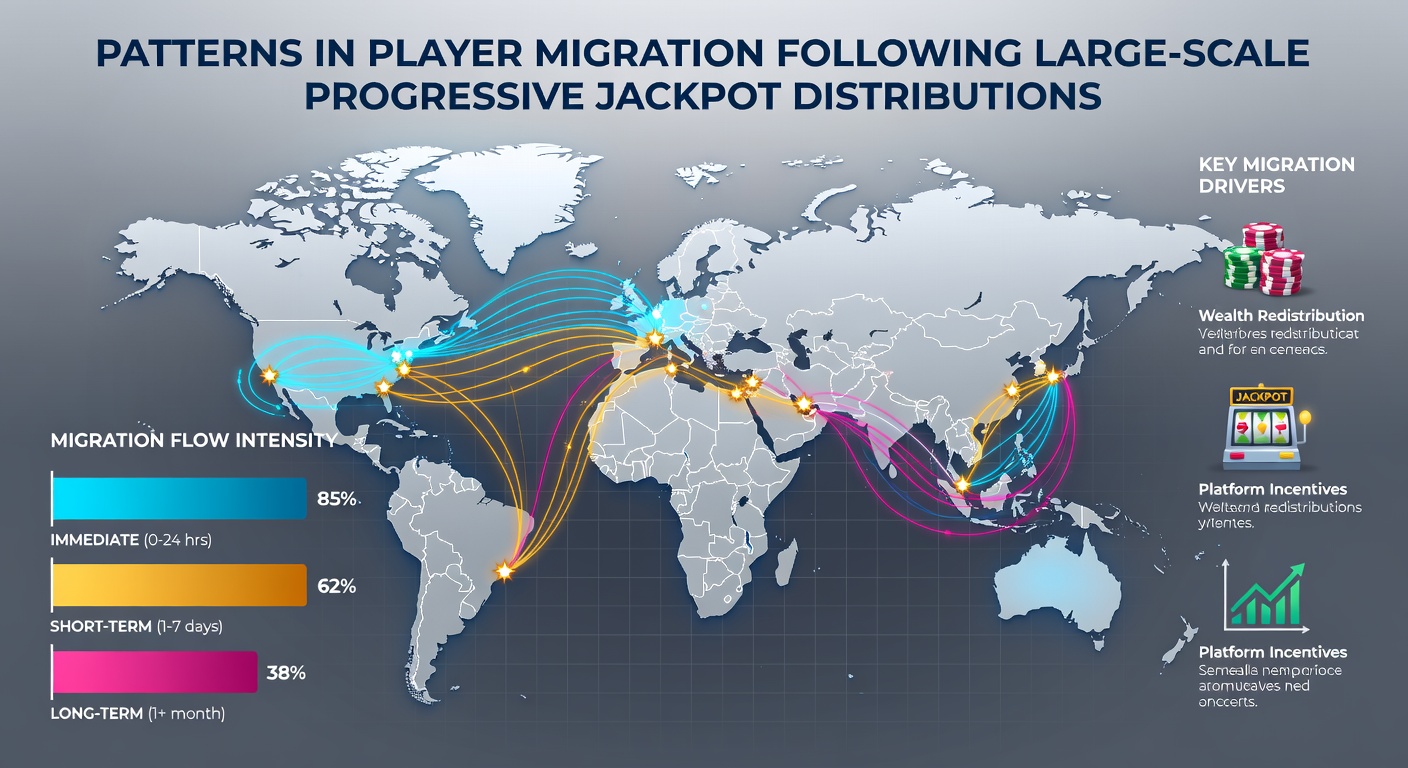
June 2026 saw several multi-million-dollar progressive payouts across North American and Asian markets, and subsequent operator reports indicated accelerated migration toward newly launched jackpot titles that had not yet reached peak visibility. These events aligned with seasonal tourism patterns in destination markets, amplifying the observable relocation effects at properties that host multiple independent progressive pools.
Influencing Factors Beyond the Jackpot Itself
Marketing announcements, media coverage, and social media discussion amplify migration by drawing attention to both the winning venue and its competitors. Operators that issue rapid press releases about wins sometimes experience secondary traffic gains on non-progressive games as visitors explore the property, yet the strongest measurable movement remains concentrated on other progressive links. Machine availability, denomination ranges, and bonus feature similarity also guide destination choices, according to session-log analyses shared by industry research groups.
Payment processing speed and withdrawal policies play secondary roles in online environments, where players who receive large transfers may test new platforms that advertise faster settlement times. Regulatory filings from multiple jurisdictions confirm that these secondary factors become more influential when the primary jackpot win exceeds ten million dollars and attracts participants from outside the usual player base.
Conclusion
Comprehensive tracking of progressive jackpot distributions demonstrates repeatable migration patterns that operators and regulators can anticipate through existing data systems. The scale of redistribution correlates with jackpot size, media exposure, and the availability of comparable games at alternate locations, while recovery timelines follow predictable cycles tied to prize pool rebuilding. Continued monitoring across expanding global networks will refine these observations as new markets adopt similar linked systems.