Seasonal Bonus Cycles and Their Influence on Retention Across Networked Digital Wagering Platforms
Henrik Vogel · Jul 21, 2026
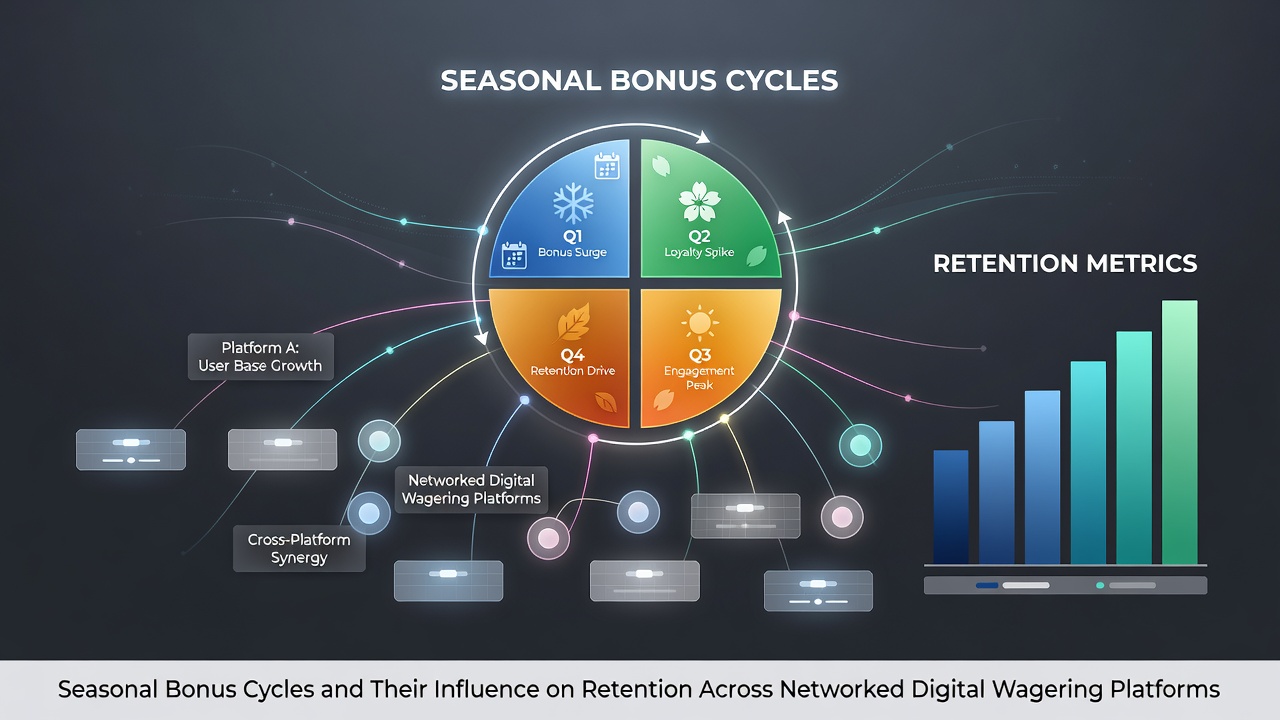
Seasonal Bonus Cycles and Their Influence on Retention Across Networked Digital Wagering Platforms
Seasonal bonus cycles operate as timed promotional frameworks that digital wagering platforms deploy in coordination with calendar events and regional holidays, and these structures shape how participants return to networked environments over repeated intervals. Platforms connect through shared reward systems that distribute bonuses across multiple sites simultaneously, which allows data aggregation on login patterns, deposit frequencies, and session lengths during peak promotional windows.
Core Mechanics of Seasonal Cycles
Operators align bonus releases with events such as winter holidays, spring tournaments, and summer campaigns, and they adjust multiplier values or deposit match percentages based on historical traffic data collected from prior years. Networked systems track cumulative activity so that a player completing requirements on one platform earns progress toward rewards available on connected sites, which extends the effective duration of each cycle beyond single-site engagement.
July 2026 brought adjusted summer bonus tiers on several major networks that responded to observed dips in average session times during warmer months, with platforms introducing extended playtime rewards that carried over into August. These adjustments relied on aggregated metrics from the preceding twelve months rather than isolated platform reports.
Retention Patterns Across Networks
Data collected from interconnected platforms shows that participants who claim seasonal bonuses during designated windows demonstrate higher rates of return visits within thirty days compared with non-claim periods. Retention metrics rise when bonus structures include progressive elements that unlock additional value only after multiple logins spread across several days or sites, which encourages sustained platform interaction rather than one-time activity.
Researchers examining multi-site reward networks have noted that players who migrate between connected platforms during a single seasonal cycle maintain longer overall account activity spans than those restricted to individual sites. The shared tracking systems reduce friction for users who switch environments while preserving bonus progress, and this design contributes directly to the measured retention lift.
Regional Variations and Data Sources
North American networks tend to synchronize bonuses with major sporting events and national holidays, whereas European and Australian operators often tie cycles to local festivals and regulatory reporting periods. Figures released by iGaming Ontario indicate that retention rates in connected Canadian markets increased during winter promotional windows when bonus rollover requirements aligned with cross-platform play incentives.
Reports from the American Gaming Association document similar patterns in U.S. digital markets where seasonal promotions correlated with elevated deposit volumes across linked platforms during holiday periods. These observations come from anonymized transaction aggregates rather than individual player profiles, which maintains compliance with data protection standards.
Technical Implementation in Networked Systems
Backend architectures supporting these cycles rely on centralized ledgers that record bonus eligibility and redemption across participating platforms, and real-time synchronization prevents duplicate claims while allowing seamless transfers of progress. Developers program expiration rules that reset at the conclusion of each seasonal window, which resets eligibility counters and prepares the network for the next cycle without carrying over unclaimed value indefinitely.
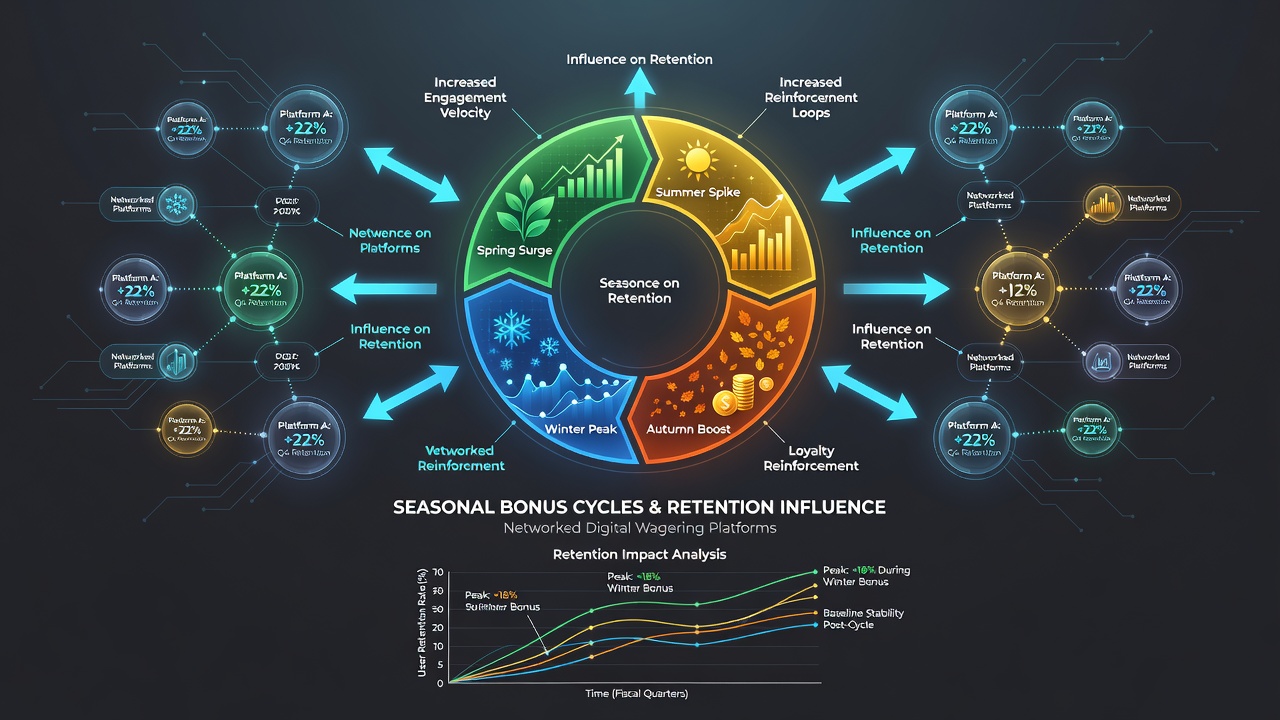
Platform operators test cycle timing through controlled A/B deployments that compare retention outcomes when bonuses launch one week earlier or later than the previous year, and these experiments supply the quantitative basis for future scheduling decisions. The testing occurs within regulatory frameworks that require advance notification of material changes to promotional terms.
Measurement and Reporting Standards
Industry organizations track retention through standardized definitions that count a returning player as any account holder who initiates a funded session within a defined interval after the initial bonus claim. European Gaming and Betting Association publications outline consistent methodologies that allow cross-market comparisons of seasonal effects on these metrics. The resulting datasets feed into platform algorithms that refine future bonus parameters such as minimum deposit thresholds and maximum claim limits.
Academic studies from institutions examining behavioral data in digital gaming environments have contributed additional context by analyzing how the spacing between seasonal cycles influences long-term account persistence. These analyses aggregate anonymized activity logs across multiple jurisdictions and focus on observable patterns rather than individual motivations.
Conclusion
Seasonal bonus cycles function as coordinated promotional tools that leverage networked infrastructure to influence return rates across digital wagering platforms, and available data from regulatory bodies and industry associations document measurable associations between cycle timing and retention indicators. Continued refinement of these systems depends on aggregated performance metrics gathered during successive calendar periods, including the adjustments observed in July 2026. The frameworks remain subject to evolving regulatory oversight that shapes how operators design and report on these promotional structures.