Seasonal Traffic Patterns Across International Gaming Networks and Their Influence on Redemption Processing
Felix Müller · Aug 27, 2026
Seasonal Traffic Patterns Across International Gaming Networks and Their Influence on Redemption Processing
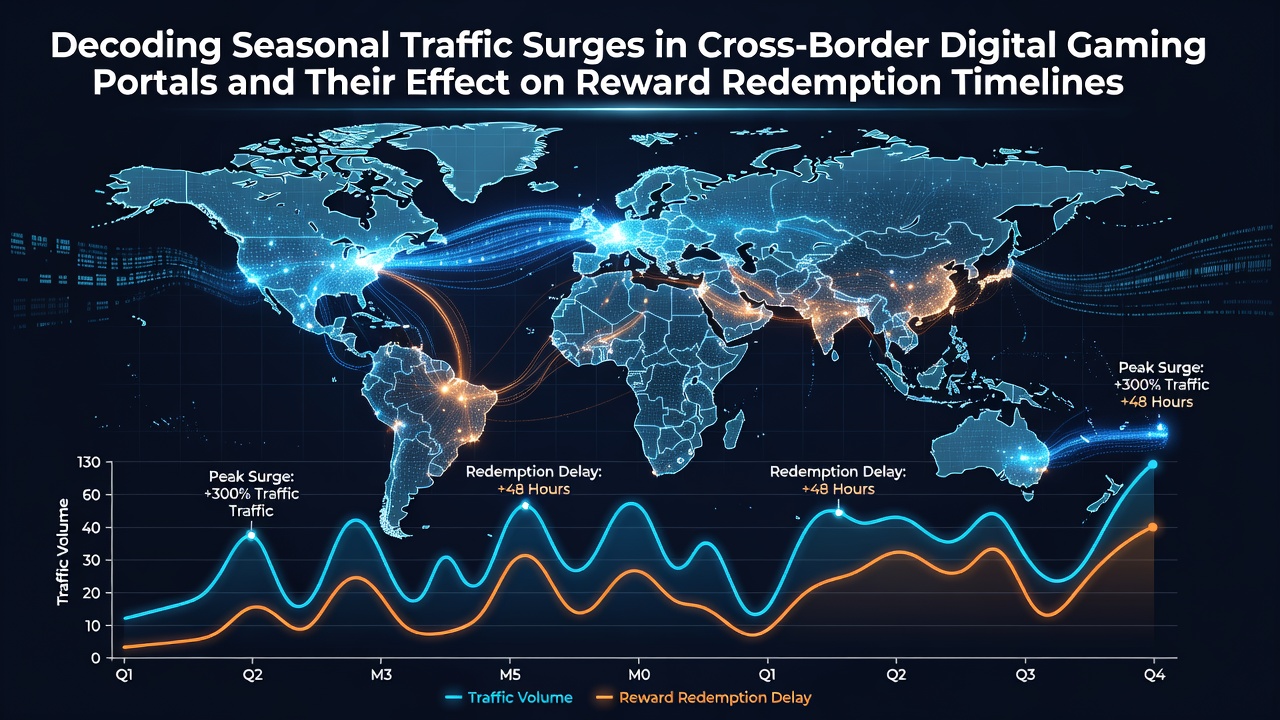
Digital gaming platforms that operate across multiple countries experience distinct increases in user activity during certain periods each year, and these patterns directly affect how quickly rewards get processed and delivered to participants. Data compiled from various international operators shows that traffic volumes can rise by 40 to 60 percent during major holiday windows and large sporting events, creating bottlenecks in backend systems responsible for verifying and releasing prizes.
Understanding Global Activity Cycles
Researchers tracking user behavior across networked portals have documented consistent spikes tied to calendar events that cross national borders. Summer months bring elevated participation from regions with extended school breaks, while winter holiday periods generate surges in both northern and southern hemispheres simultaneously. In August 2026, analysts recorded particularly high engagement levels on platforms serving European and North American users, coinciding with overlapping vacation schedules and pre-season sports promotions.
Time zone differences compound these effects because peak hours in one market overlap with active periods in another, stretching server capacity and verification queues. Operators maintain distributed data centers to handle the load, yet reward redemption systems often require additional manual reviews when transaction volumes exceed standard thresholds.
Regulatory and Technical Factors in Cross-Border Operations
Platforms must comply with licensing rules from multiple jurisdictions, which means each redemption request undergoes checks against local anti-money laundering standards and tax reporting requirements. According to information published by the International Association of Gaming Regulators, these layered compliance steps extend average processing times from 24 hours under normal conditions to between 48 and 72 hours during high-traffic intervals. Australian regulatory bodies have similarly reported that cross-border operators serving multiple markets experience extended verification windows when seasonal demand coincides with updated reporting deadlines.
Technical infrastructure plays an equally significant role. Automated fraud detection tools flag a higher percentage of transactions when overall activity rises, routing more cases to human review teams. This process protects platform integrity but directly lengthens the timeline between reward qualification and actual disbursement.
Observed Effects on Redemption Timelines
Studies conducted by academic researchers at several European universities have examined transaction logs from major portals and found clear correlations between daily active user counts and redemption completion rates. When concurrent users exceed 150 percent of baseline figures, the proportion of rewards processed within the first 24 hours drops noticeably. Participants attempting to claim smaller prizes often see faster turnaround because these requests require less extensive verification, whereas larger amounts trigger additional security layers regardless of traffic levels.

One documented case involved a platform operating across Canada and several EU countries where August traffic increases led to a 35 percent extension in average redemption windows for progressive jackpot winners. The same study noted that operators using predictive load balancing reduced delays by approximately 18 percent compared with platforms relying on static capacity planning.
Regional Variations and Data Insights
Traffic patterns differ by market because cultural events and local holidays create asynchronous demand peaks. North American platforms often see strong activity around major sporting finals, while Asian markets experience surges during regional festivals that do not align with Western calendars. These staggered waves allow some operators to shift verification resources geographically, though full synchronization remains difficult when multiple high-demand periods converge.
Figures released by the European Gaming and Betting Association indicate that cross-border platforms serving at least five jurisdictions experienced the longest average redemption delays during the 2025-2026 holiday season, reaching 3.2 days for standard prize claims. The same report highlighted that platforms investing in real-time compliance automation achieved processing times closer to 1.8 days even under elevated load.
Conclusion
Seasonal traffic surges in cross-border digital gaming environments create measurable pressure on reward redemption systems through increased verification demands, regulatory checks, and technical capacity constraints. Data from multiple regulatory sources and academic analyses consistently shows that processing timelines lengthen during predictable high-activity windows, with August 2026 providing a recent example of overlapping regional demand. Operators continue to refine load management and compliance automation to address these recurring patterns while maintaining required security standards across jurisdictions.