Synthesizing Player Accounts to Reveal Optimal Paths Through Layered Reward Structures in Virtual Casinos
Jakob Jenkins · May 19, 2026
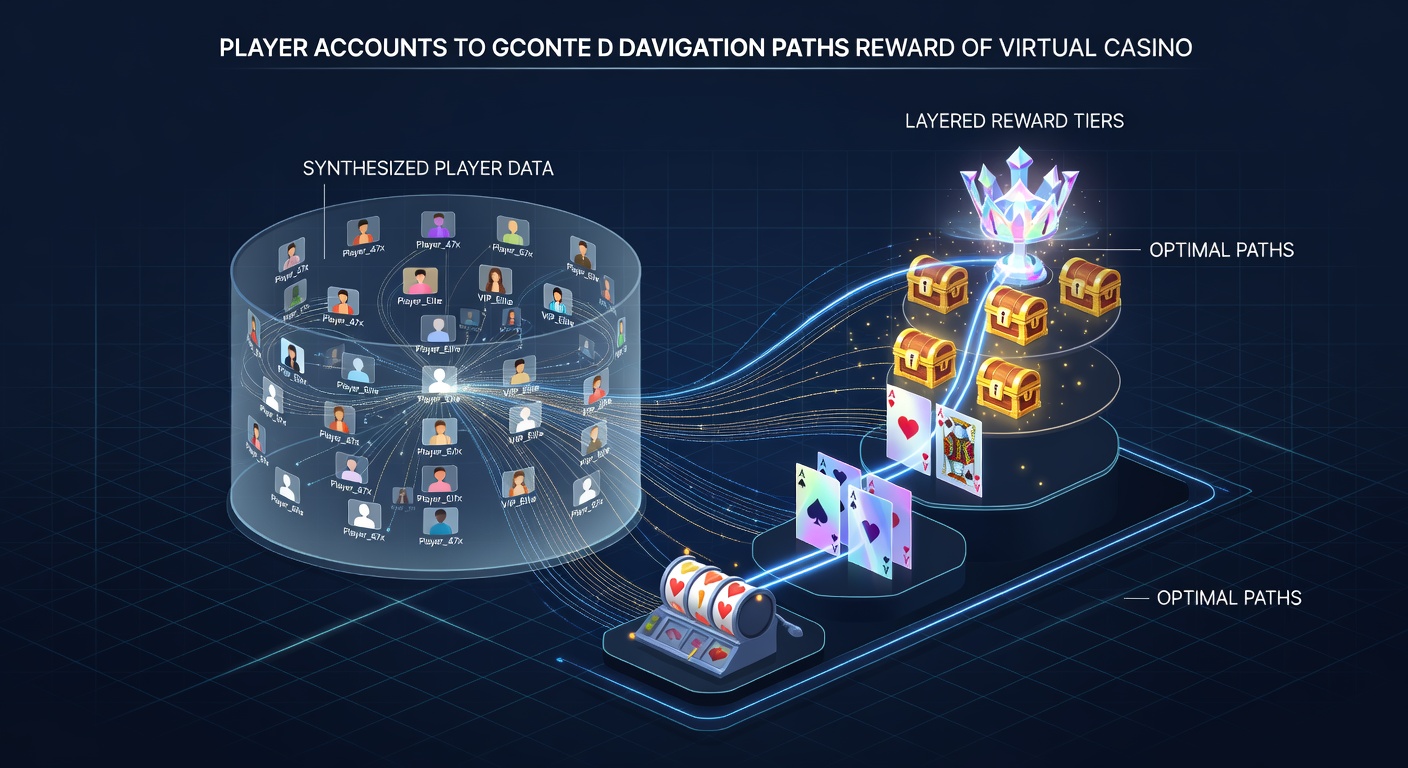
Synthesizing Player Accounts to Reveal Optimal Paths Through Layered Reward Structures in Virtual Casinos
Virtual casinos maintain complex reward systems that stack multiple layers of bonuses, loyalty points, adn tiered benefits across different game categories and player activity levels, and analysts have compiled extensive player account data to map these structures into clearer sequences. Data aggregation from thousands of anonymized accounts shows how participants move through welcome packages into ongoing promotions, cashback tiers, and VIP club thresholds, with each layer requiring specific wagering volumes or deposit patterns before unlocking the next set of advantages.
Researchers examining records from major platforms note that early-stage rewards often include deposit matches and free spins that feed into a points-based loyalty meter, while later layers introduce personalized reload offers and exclusive tournament entries once players reach mid-tier status. This progression creates branching paths where choices made in the first few weeks influence the speed of advancement and the total value extracted over subsequent months.
Understanding Layered Reward Architectures
Layered systems in virtual casinos typically begin with a base welcome structure that converts initial deposits into bonus credits subject to playthrough requirements, then transition into weekly or monthly promotions that reward consistent activity with additional points or cash equivalents. Observers tracking account histories across multiple sites find that these early layers connect directly to a cumulative loyalty program where every wager contributes toward tier advancement, unlocking higher cashback percentages and faster withdrawal processing at elevated levels.
Further layers incorporate game-specific multipliers that apply only after players meet minimum activity thresholds in slots, table games, or live dealer environments, creating decision points where participants must balance volume across categories to optimize overall returns. Figures from industry reports indicate that players who concentrate wagers in high-contribution games accelerate their movement through these layers more efficiently than those who spread activity evenly.
Methods for Aggregating Player Account Data
Analysts synthesize information by pulling together public forum posts, shared screenshots of bonus ledgers, and voluntary disclosures from long-term participants who document their progression through various reward tiers. These raw inputs undergo cross-referencing against published terms from casino operators, allowing patterns to emerge around which sequences consistently reach higher tiers within shorter timeframes. Regulatory filings from bodies such as the New Jersey Division of Gaming Enforcement provide additional context on how operators structure and report player incentives, helping validate the aggregated observations.
Advanced approaches incorporate timestamped transaction histories that reveal the exact order of deposits, bonus activations, and redemptions, turning individual stories into statistical models of optimal timing. Studies conducted by academic groups have examined thousands of such sequences to identify common bottlenecks where players stall between layers due to insufficient wagering or misaligned game selection.
Mapping Optimal Progression Routes
Once compiled, the data highlights routes that prioritize certain game types during specific phases to maximize point accrual before shifting focus to higher-stakes options that satisfy playthrough conditions more rapidly. Accounts that follow a deliberate pattern of meeting base requirements first, then concentrating on medium-volatility titles for steady advancement, tend to unlock VIP benefits earlier according to the synthesized records. In May 2026 platform updates introduced new dynamic multipliers that adjust based on recent activity, prompting analysts to revise previous models and incorporate real-time responsiveness into the recommended sequences.

Another recurring pathway involves timing deposit schedules to coincide with promotional windows that stack additional value onto existing layers, effectively compressing the distance between mid-tier and top-tier status. Researchers note that participants who align their activity calendars with these windows accumulate rewards at rates measurably higher than those who follow uniform deposit patterns throughout the month.
Challenges in Interpreting Aggregated Insights
Even with extensive datasets, variations in operator rules across jurisdictions create inconsistencies that require careful segmentation before conclusions can be drawn. Accounts originating from platforms licensed under different frameworks, such as those overseen by the Malta Gaming Authority or provincial regulators in Canada, display distinct layer densities and contribution rates that affect how quickly players advance. Analysts therefore segment the data by licensing region to produce more accurate path models for each environment.
Seasonal fluctuations also appear in the compiled records, with certain months showing elevated promotional density that temporarily alters the cost-benefit balance of moving between layers. Observers continue to update their syntheses as new account information becomes available, ensuring the identified sequences reflect current operator practices rather than outdated structures.
Conclusion
Synthesizing player accounts yields structured insights into how layered reward systems operate and which sequences most reliably lead participants toward higher-value benefits. Continued collection and analysis of account data will refine these maps further as virtual casino operators adjust their offerings in response to player behavior and regulatory developments.