The Hidden Mechanics Behind Layered Loyalty Tiers and Their Role in Extending Play Cycles Across Multi-Jurisdiction Platforms
Uma Patterson · Jun 23, 2026
The Hidden Mechanics Behind Layered Loyalty Tiers and Their Role in Extending Play Cycles Across Multi-Jurisdiction Platforms
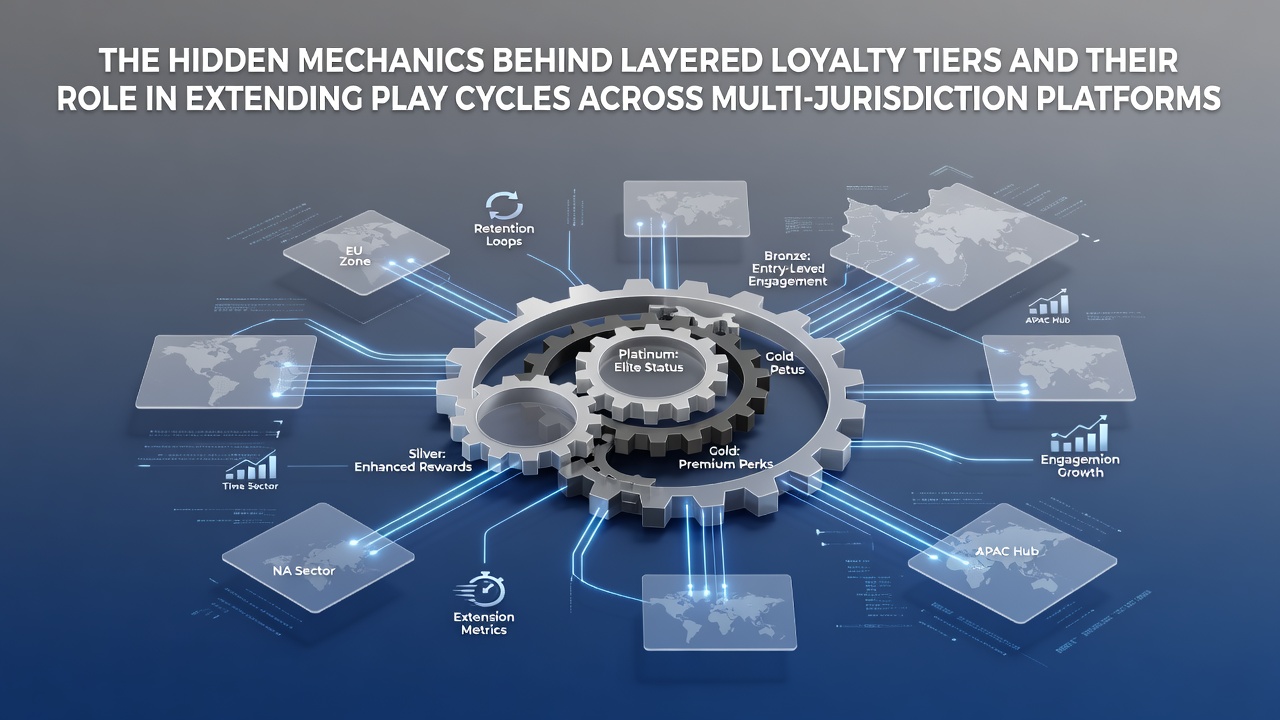
Layered loyalty tiers operate as structured progression systems that assign players to distinct levels based on accumulated activity metrics, and these frameworks encourage extended engagement across platforms that operate under varying regulatory regimes. Operators design these tiers to create incremental rewards that scale with continued participation, while data from regulatory filings shows consistent patterns in how points systems track wagers, session frequency, and deposit volumes.
Core Components of Tiered Progression Systems
Each tier typically requires specific thresholds of play volume, measured through points earned per dollar wagered, and players advance when they meet cumulative targets within defined periods. Lower tiers grant basic perks such as cashback percentages or free spins, whereas higher levels unlock personalized bonuses, faster withdrawal processing, and access to exclusive events. Research from industry tracking services indicates that advancement rates increase when platforms synchronize point accrual across multiple jurisdictions, allowing activity in one region to contribute toward global standing.
Points calculation formulas incorporate multipliers that adjust based on game type, with slot play often yielding higher rates than table games in many systems. These multipliers create incentives for players to concentrate activity on certain titles while still permitting flexibility across the platform portfolio. Observers note that reset mechanisms, where points expire at the end of a qualification period, maintain ongoing engagement pressure without allowing permanent status retention unless higher tiers are reached.
Cross-Border Data Integration and Compliance Layers
Multi-jurisdiction platforms must reconcile differing legal requirements for player tracking, data storage, and reward distribution, and this reconciliation influences how loyalty engines process information from separate licensing authorities. Systems integrate player profiles through centralized databases that apply jurisdiction-specific rules to points valuation and redemption eligibility. For instance, certain rewards available in one market may carry restrictions when accessed from another due to local advertising or bonus regulations.
Technical architectures employ geofencing protocols alongside loyalty management software to enforce these boundaries automatically. When players transition between regulated markets, the platform adjusts visible tier benefits in real time while preserving overall progress metrics. Figures from operational reports reveal that seamless integration correlates with higher retention rates across borders compared to fragmented single-market programs.
Mechanisms That Prolong Session Durations
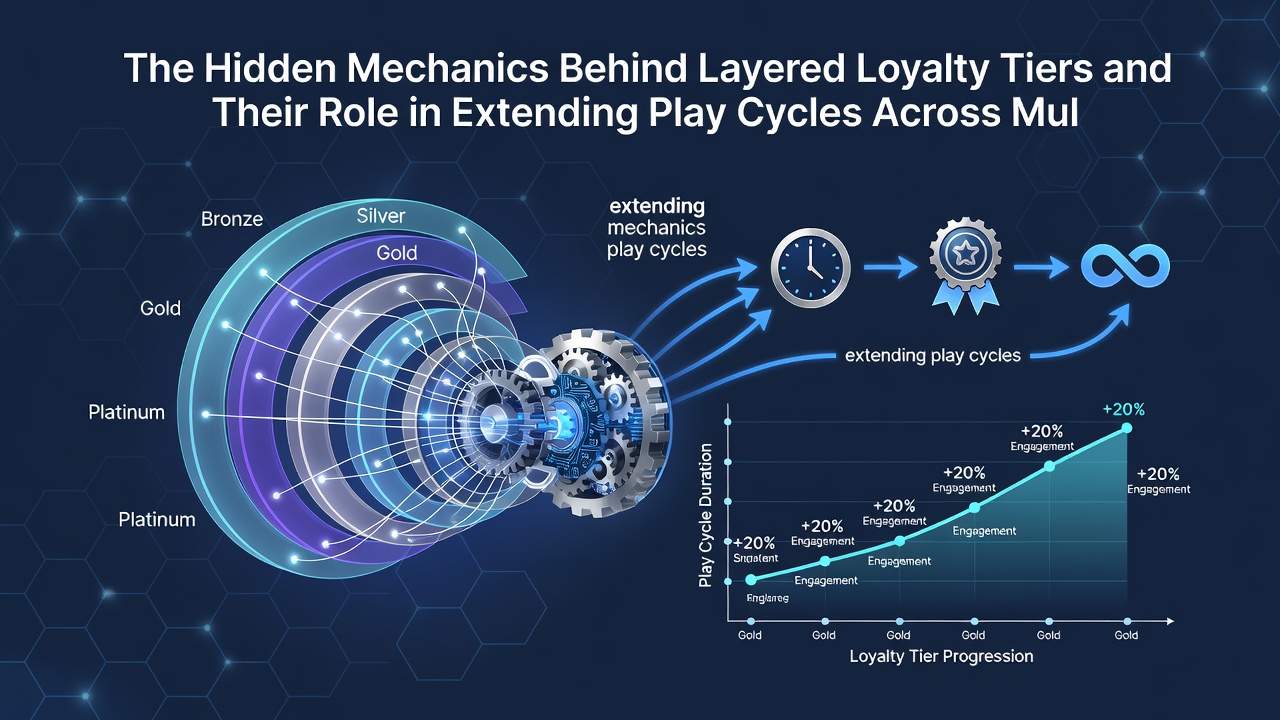
Tiered structures extend play cycles by introducing near-term milestones that feel attainable, and these milestones trigger dopamine responses tied to status elevation rather than solely financial outcomes. Players who approach a tier threshold often extend sessions to secure the upgrade before a period reset occurs. Additional layers include streak bonuses for consecutive days of activity and tier-locked leaderboards that foster competitive participation over longer timeframes.
Redemption mechanics further reinforce continuation because higher tiers frequently offer accelerated conversion rates for loyalty points into playable credits or merchandise. Data indicates that players at mid-tier levels demonstrate the longest average session times, as they balance the effort already invested against the benefits still ahead. Platforms refine these mechanics through A/B testing of reward frequencies to optimize cycle length without triggering regulatory scrutiny over excessive encouragement.
Regulatory Variations and Platform Adaptations
Different licensing bodies impose distinct constraints on loyalty program advertising, bonus structures, and responsible gaming integrations, forcing operators to maintain parallel rule sets within a single backend system. In June 2026 several North American operators adjusted tier qualification windows to align with updated state reporting requirements while preserving international player mobility. These adaptations include dynamic point multipliers that scale according to local tax or contribution mandates without altering the visible player experience.
Cooperation between regulators in adjacent markets has led to shared standards for player identification and spend tracking, which simplifies cross-jurisdiction tier maintenance. Industry analyses from sources such as the American Gaming Association document how standardized data formats reduce administrative overhead and allow platforms to deliver consistent progression messaging globally. Meanwhile, European frameworks administered through bodies like the Malta Gaming Authority emphasize audit trails for reward distribution that influence how multi-jurisdiction operators structure their highest tiers.
Observed Patterns in Player Behavior Across Networks
Longitudinal studies of platform data reveal that players who achieve mid-tier status within the first three months of activity maintain elevated play volumes for subsequent quarters. This pattern holds across both land-based integrated networks and fully digital environments, suggesting the tier structure itself, rather than the delivery medium, drives the extension effect. Migration between platforms occasionally occurs when players seek faster advancement opportunities, yet operators counter this through reciprocal tier matching agreements in compatible jurisdictions.
Seasonal fluctuations appear in qualification data, with peaks during promotional periods that align with major sporting events or holiday calendars. Platforms that maintain consistent tier visibility during these spikes report steadier year-round engagement compared to those relying on intermittent campaigns. Technical logs further show that mobile interfaces with persistent tier progress indicators contribute to shorter but more frequent logins, which cumulatively lengthen overall play cycles.
Conclusion
Layered loyalty tiers function through interconnected mechanics of point accumulation, threshold advancement, and jurisdiction-aware reward delivery that collectively sustain longer participation windows. As platforms expand across regulatory boundaries, the ability to harmonize these systems while respecting local rules determines how effectively they convert initial engagement into extended cycles. Continued refinement of tracking algorithms and cross-border data protocols will shape the next phase of these structures in global gaming environments.