Tracing Device-Specific Patterns in Reward Accumulation Across Borderless Digital Wagering Networks
David Lang · Jun 28, 2026

Tracing Device-Specific Patterns in Reward Accumulation Across Borderless Digital Wagering Networks
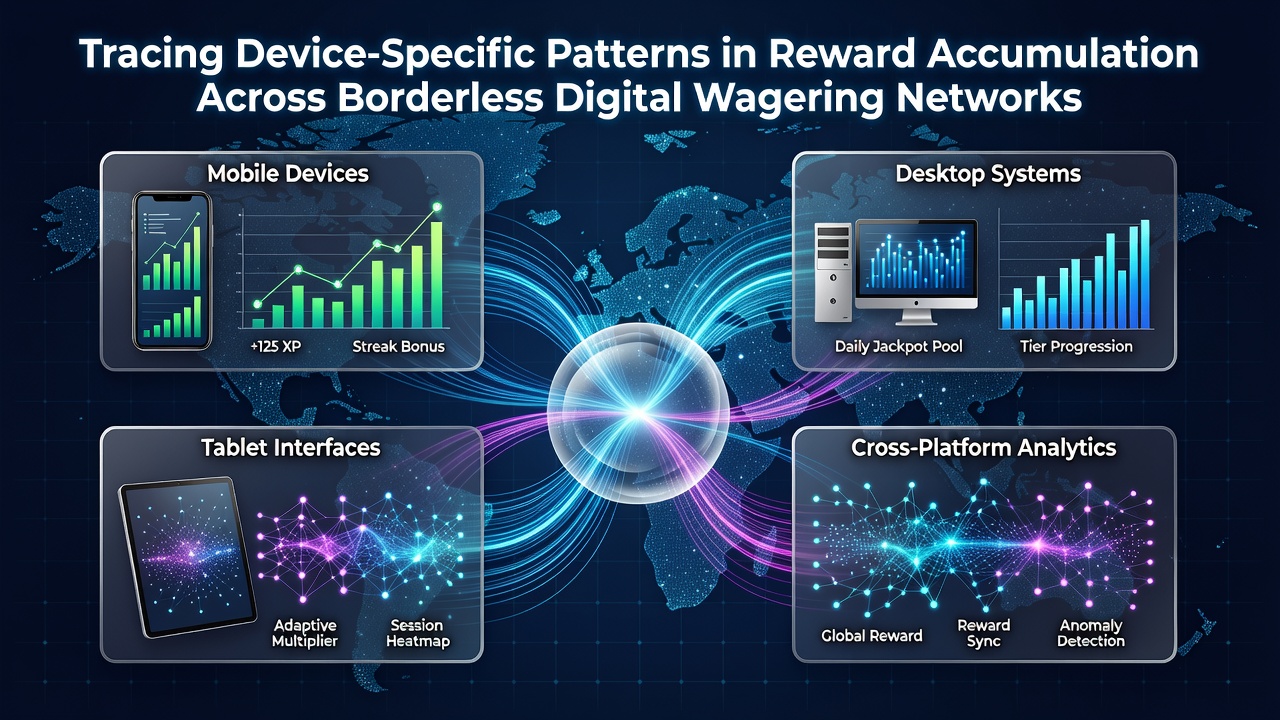
Borderless digital wagering networks operate across multiple jurisdictions where players access platforms through smartphones, tablets, and desktop computers, and device identifiers play a central role in how reward points, loyalty tiers, and bonus multipliers accumulate over time. Data from these systems shows that mobile sessions often generate distinct reward patterns compared with desktop logins because of differences in session length, interface design, and tracking mechanisms such as device fingerprints and app-based cookies.
Industry reports indicate that reward accumulation algorithms factor in device type when calculating progression toward cashback tiers or exclusive promotions. Mobile users frequently record higher frequencies of micro-transactions, which in turn feed into faster point accrual rates within certain network segments, while desktop sessions tend to produce longer continuous play periods that trigger different bonus thresholds.
Device Tracking Mechanisms in Global Networks
Operators in these networks rely on a combination of IP geolocation, device IDs, and account-linked profiles to monitor activity across borders. According to data released by iGaming Ontario, mobile applications transmit additional telemetry that desktop browsers do not, allowing platforms to adjust reward multipliers based on detected hardware and operating system versions. This differentiation creates measurable variations in how quickly participants reach reward milestones.
Researchers examining transaction logs have noted that tablet devices occupy an intermediate position between smartphones and desktops, with reward accumulation rates reflecting both shorter burst sessions and occasional extended play windows. The European Gaming and Betting Association has documented similar patterns in cross-border traffic, where device-specific flags influence eligibility for time-limited promotions that reset on a daily or weekly cycle.
Observed Patterns in Reward Distribution
Analysis of aggregated data from multiple operators reveals that smartphone users accumulate loyalty points at rates approximately 12 to 18 percent higher during evening hours in their local time zones, whereas desktop activity peaks during midday periods and correlates with steadier but slower progression through reward ladders. These differences persist even when the same player account switches devices within a single day.
What's interesting is how progressive jackpot contributions and layered bonus structures interact with device signals. One study of networked systems found that mobile-initiated bets more frequently qualify for device-exclusive multipliers, while desktop activity tends to feed into shared pool contributions without additional modifiers. Such distinctions become especially visible during periods of high cross-border traffic.
Regulatory and Technical Developments in Mid-2026
June 2026 brought updated compliance requirements in several jurisdictions that directly affect how device data may be used for reward calculations. Regulators in Canada and parts of Europe introduced guidelines requiring clearer disclosure of device-based personalization in loyalty programs, prompting operators to refine their tracking protocols while maintaining cross-border functionality.
These changes have not altered the underlying patterns but have increased transparency around how reward accumulation differs by device. Platform operators now publish summary statistics that separate mobile, tablet, and desktop contributions, allowing observers to track shifts in real time without accessing individual player records.
Implications for Network Architecture
Engineers designing these borderless systems must balance uniform reward rules with device-specific variables to prevent arbitrage across platforms. Data indicates that unified databases now incorporate device-type flags as standard fields, enabling consistent application of accumulation formulas regardless of where a player logs in. This architecture supports seamless transitions between devices while preserving the distinct reward trajectories each device type produces.
Case examples from large-scale operators show that players who alternate between mobile and desktop within the same session often experience blended reward rates that reflect the weighted average of both device profiles. Such blended outcomes appear most frequently in networks that operate across multiple continents and time zones.
Conclusion
Device-specific patterns in reward accumulation continue to shape how borderless digital wagering networks distribute incentives. Available data from regulatory bodies and industry associations demonstrates consistent differences tied to hardware and session characteristics, and mid-2026 regulatory updates have added layers of disclosure without disrupting these established trends. Observers tracking these networks will likely see further refinements in how device signals integrate with global reward structures as technology and oversight evolve together.