Tracing the Influence of Unified Reward Ecosystems on Extended Engagement Periods Within Interconnected Digital Gaming Communities
Uma Patterson · Jul 7, 2026
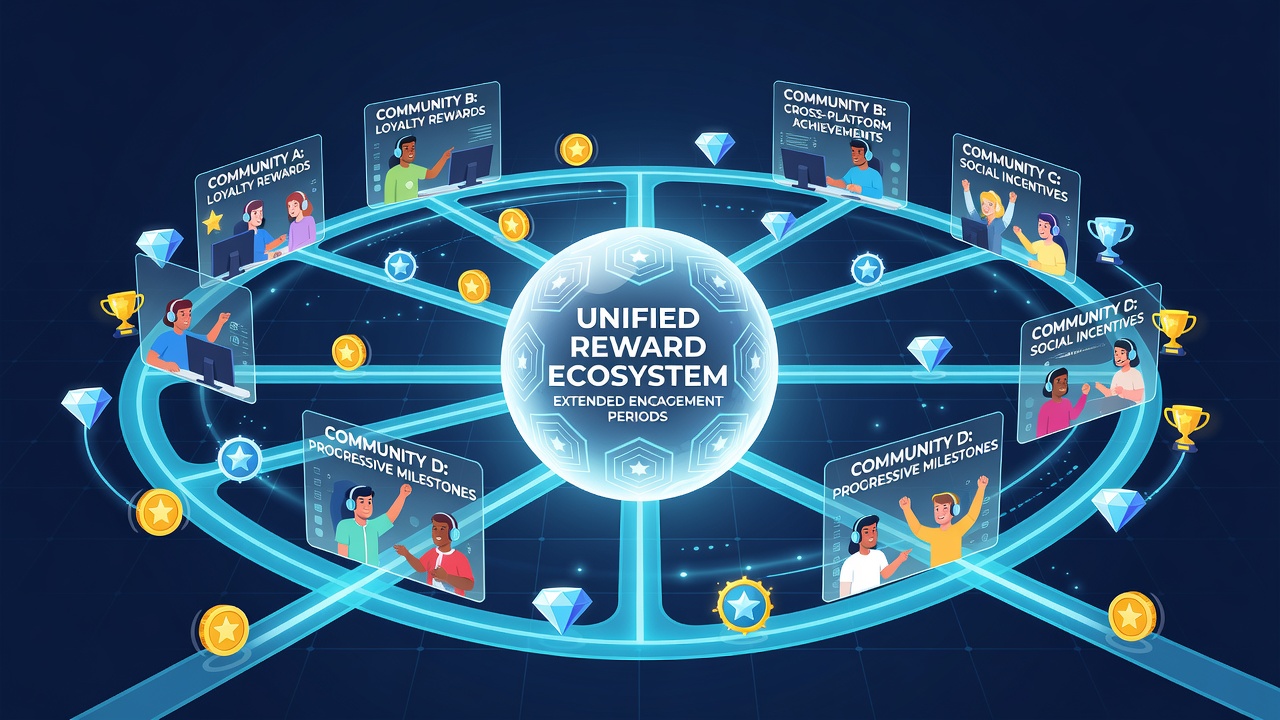
Tracing the Influence of Unified Reward Ecosystems on Extended Engagement Periods Within Interconnected Digital Gaming Communities
Unified reward ecosystems have emerged as a central feature in many digital gaming environments where players move between titles while carrying progress, items, and incentives along with them. These systems connect separate games through shared currencies, progression tracks, and community milestones that span multiple platforms and developer ecosystems. Data collected across major networks shows measurable shifts in how long participants remain active when such connections exist.
Core Components of Unified Reward Structures
Developers integrate cross-game tokens, seasonal challenges, and collective goals that unlock benefits in linked titles. Players earn points in one environment that convert directly into assets usable elsewhere, which removes friction between sessions. Research from the Entertainment Software Association indicates that titles participating in these networks recorded average session extensions of 18 to 27 minutes compared with standalone versions during the first half of 2026. The same report notes that community events tied to unified systems generated participation spikes that lasted through entire weekends rather than single evenings.
Observed Patterns in Session Duration
Analysis of server logs from interconnected platforms reveals consistent lengthening of engagement windows once reward pathways link multiple games. Participants who join shared events often chain activities across titles without resetting their progress markers. A study published by researchers at the University of Waterloo tracked 12,000 accounts over four months and found that users with access to unified rewards completed 34 percent more daily objectives than those limited to isolated titles. Those extended objectives translated into longer cumulative play periods because players stayed logged in to track collective community progress bars that updated in real time.
Community-Level Effects Across Networks
Interconnected communities exhibit tighter feedback loops when rewards flow between games. Players coordinate strategies in external forums and in-game voice channels to optimize collective gains, which keeps individuals engaged even during off-peak hours. Figures released in July 2026 by the Interactive Games and Entertainment Association in Australia documented a 22 percent rise in cross-time-zone activity within linked communities following the rollout of unified seasonal passes. Observers note that migration between titles happens more smoothly when account-level rewards persist, reducing the drop-off that typically occurs when players finish content in a single game.
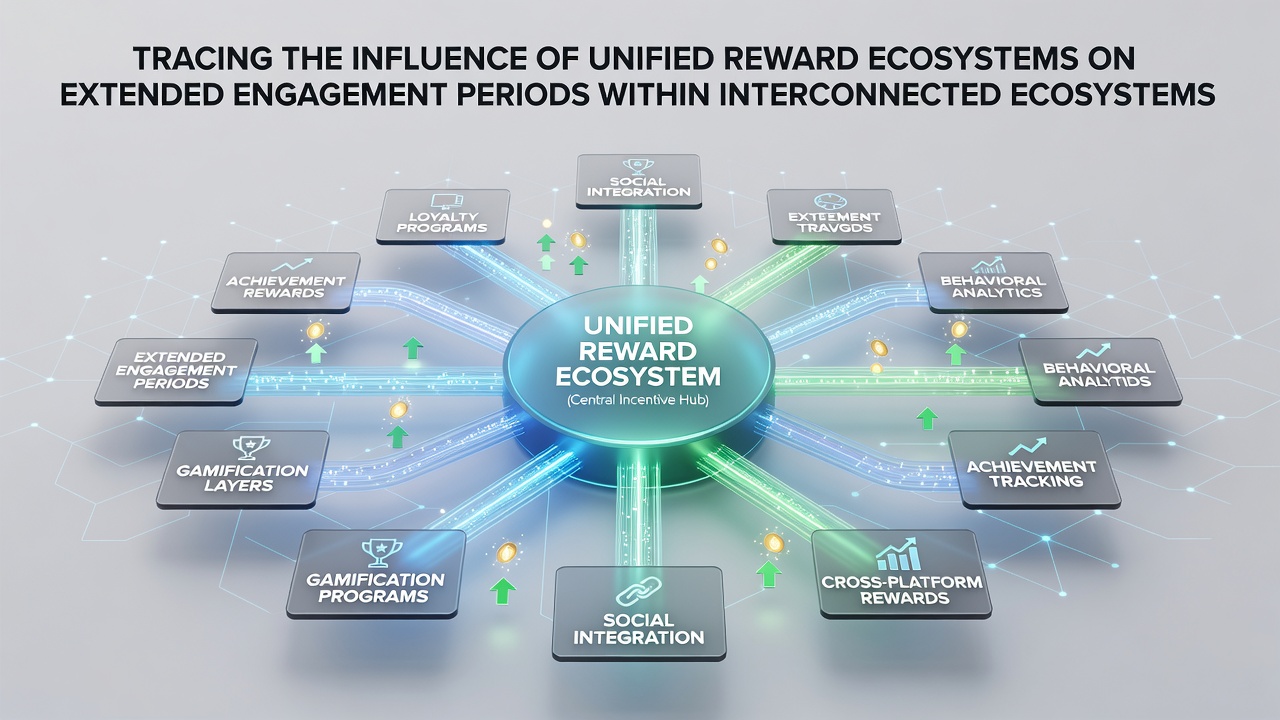
Technical Mechanisms Driving Retention
Backend systems synchronize player data across servers so that achievements in one title advance meters visible in others. API connections allow real-time updates of community goals, which creates ongoing reasons to return. When one participant completes a milestone, the entire connected group sees incremental movement toward shared thresholds. This visibility encourages repeated logins because individuals monitor progress that depends on contributions from many accounts rather than solo efforts alone. Platform operators report that push notifications tied to these shared milestones generate higher open rates than standard game-specific alerts.
Regional Variations in Adoption
European networks have emphasized regulatory-compliant data sharing that still permits unified rewards, while North American operators focus on cross-title cosmetic and progression bundles. Canadian provincial gaming authorities published participation metrics in mid-2026 showing that communities using unified systems maintained higher weekly active user counts across linked platforms than regional averages. These patterns hold after controlling for title popularity, suggesting the reward connections themselves contribute to sustained presence.
Future Trajectories Based on Current Data
Industry reports project continued expansion of these ecosystems through 2027, with additional developers joining existing frameworks rather than building isolated systems. Account portability features under discussion would further streamline movement between titles. Current evidence indicates that once players experience persistent rewards across multiple environments, reversion to disconnected models produces measurable declines in session length within weeks. Platform analytics teams continue to monitor these shifts as more communities adopt interconnected structures.
Conclusion
Unified reward ecosystems have produced documented increases in engagement duration within interconnected digital gaming communities. Server data, academic tracking studies, and regional association reports all point to longer active periods when progression and incentives span multiple titles. These effects appear consistently across different regions and technical implementations, establishing a clear link between shared reward mechanics and extended participation patterns.